This is the meal equally set, this the meat for natural hunger.
Walt Whitman, Song of Myself
Whitman wasn't standing at a smoker when he wrote that, but he understood the point of one. The fire gets lit before the sun is properly up, and by the afternoon the whole day has arranged itself around it. These are the ones we keep coming back to — the heat, the hours, and the small signs that tell you it's ready — written down so the next one lands like the last good one.
The cooks
Every one of these is really a story about heat and patience. The line beside each recipe is its true temperature against its true time, so you can read the shape of an afternoon before you read a word of it.
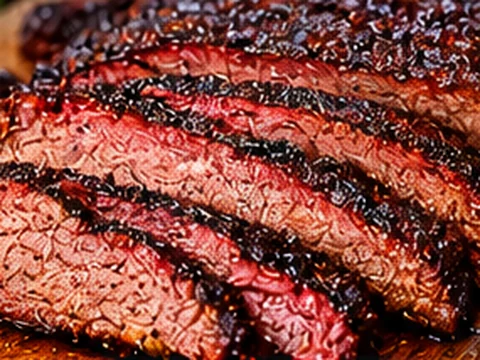
Smoked Brisket
Low and slow until the probe slides in like butter.
12–20 hr including the rest Whole packer brisket, 10–14 lb
Smoke 225°FFinish 250°FRest 2–4 hr
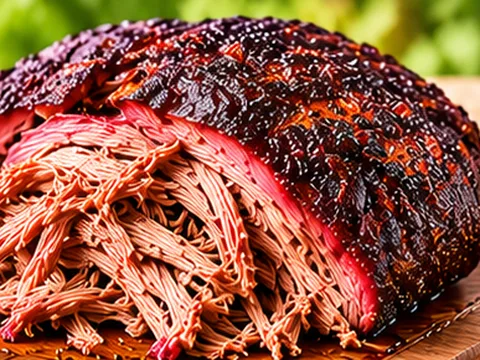
Pork Shoulder
Bark in the open, foil through the stall, then pull it apart.
Overnight, then 6–9 hr including the rest 3–4 lb pork shoulder (pork butt)
Smoke 250°FWrap 250°FRest 1 hr+
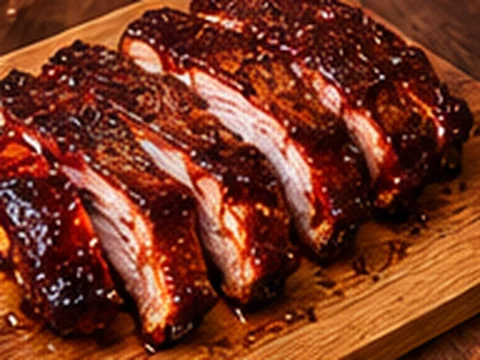
Baby Back Ribs
Three stages, a foil wrap, and a sauce that goes tacky.
5–6 hr start to plate 2 racks baby back ribs
Smoke 225°FWrap 225–250°FSauce 275–300°FRest 10–15 min
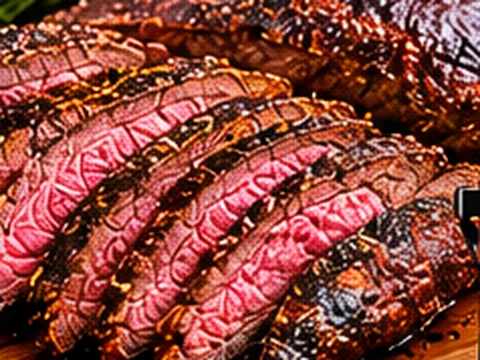
Smoked Tri-Tip
Watch the probe, not the clock.
Overnight, then ~7 hr season at 8pm, eat at 6pm Two tri-tips, about 4 lb and 3 lb
Smoke 225°FSear 450–500°FRest 20–30 min
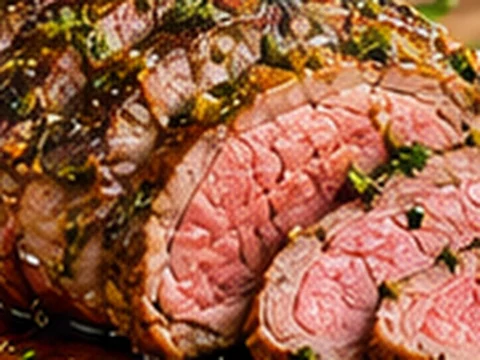
Smoked Boneless Lamb
Herb crust, mild smoke, pink all the way through.
About 3 hr plus overnight if you season ahead Boneless leg roast, 4–6 lb
SmokeBoost 180°FRoast 250°FSear 400°FRest 15 min
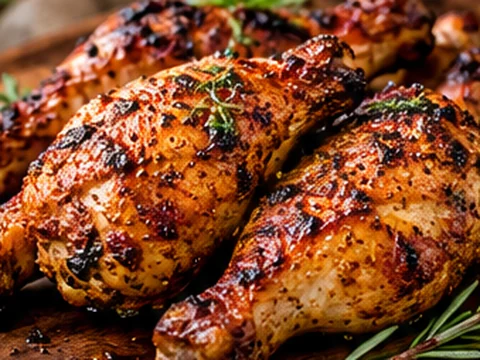
Grilled Chicken Legs
Smoke for flavor, roast to cook, then a hard sear for the skin.
1½–2 hr plus a short rest Chicken legs, as many as fit without crowding
Smoke 225°FRoast 375°FSear 450–500°FRest 5–10 min
How we cook
Three things we learned the slow way.
Temperature over time
Every hour on this site is an estimate. Every degree is a target. A three-pound tri-tip won't take the same time as a four-pound one sitting next to it, so cook to the probe and let the clock come second. Dinner will find its own hour.
Bark first, then wrap
Open smoke builds the crust. Butcher paper or foil carries the meat through the stall without drowning what you built. Knowing the moment to switch is most of the skill in a long cook, and the only way to learn it is to stand there while it happens.
The rest is part of the cook
Meat keeps climbing after it comes off, and it needs time to take its juice back. Two hours for a brisket, twenty minutes for a tri-tip. Nobody's ever minded the wait once the smell is already in the air.
Why we write them down
A good cook has a way of disappearing. Everyone agrees it was the best one yet, and by the next weekend nobody can remember what time it went on, or who decided to wrap it, or how long it sat before anyone was allowed near it.
So we started keeping notes. Not to make any of it exact — smoke doesn't work that way — but to make it repeatable. A good afternoon should be allowed to happen twice.
I loafe and invite my soul.
Walt Whitman, Song of Myself